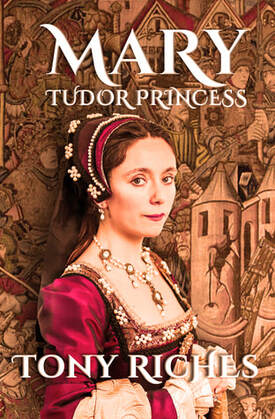
I'm excited to be today's stop in Tony Riches's virtual blog post with Historical Fiction Virtual Book Tours - this time featuring a review of the third and final installment in his Brandon Trilogy. "Katherine: Tudor Duchess" centers on Charles Brandon's third wife, Katherine Willoughby, and picks up with the death of his second wife, Princess Mary (Henry VIII's sister). If you missed my previous reviews of "Mary: Tudor Princess" and "Brandon: Tudor Knight", check them out!
Moving forward to Katherine's story, here's the back-cover blurb for this novel:
She stands up for what she believes in... but such courage has consequences.
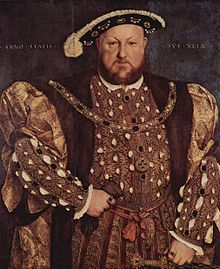
Attractive, wealthy and influential, Katherine Willoughby is one of the most unusual ladies of the Tudor court. A favourite of King Henry VIII, Katherine knows all his six wives, his daughters Mary and Elizabeth, and his son Edward, as well as being related by marriage to Lady Jane Grey.
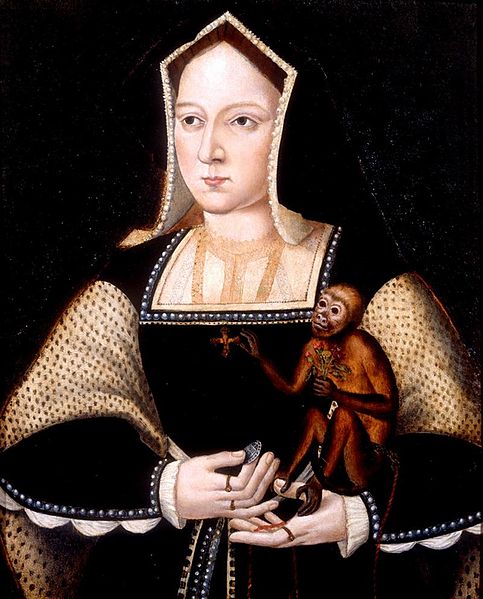
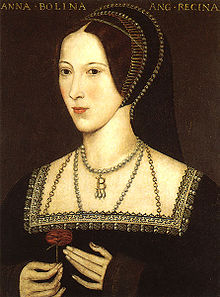
When her father dies, Katherine becomes the ward of Tudor knight, Sir Charles Brandon. Her Spanish mother, Maria de Salinas, is Queen Catherine of Aragon's lady in waiting, so it is a challenging time for them all when King Henry marries the enigmatic Anne Boleyn.
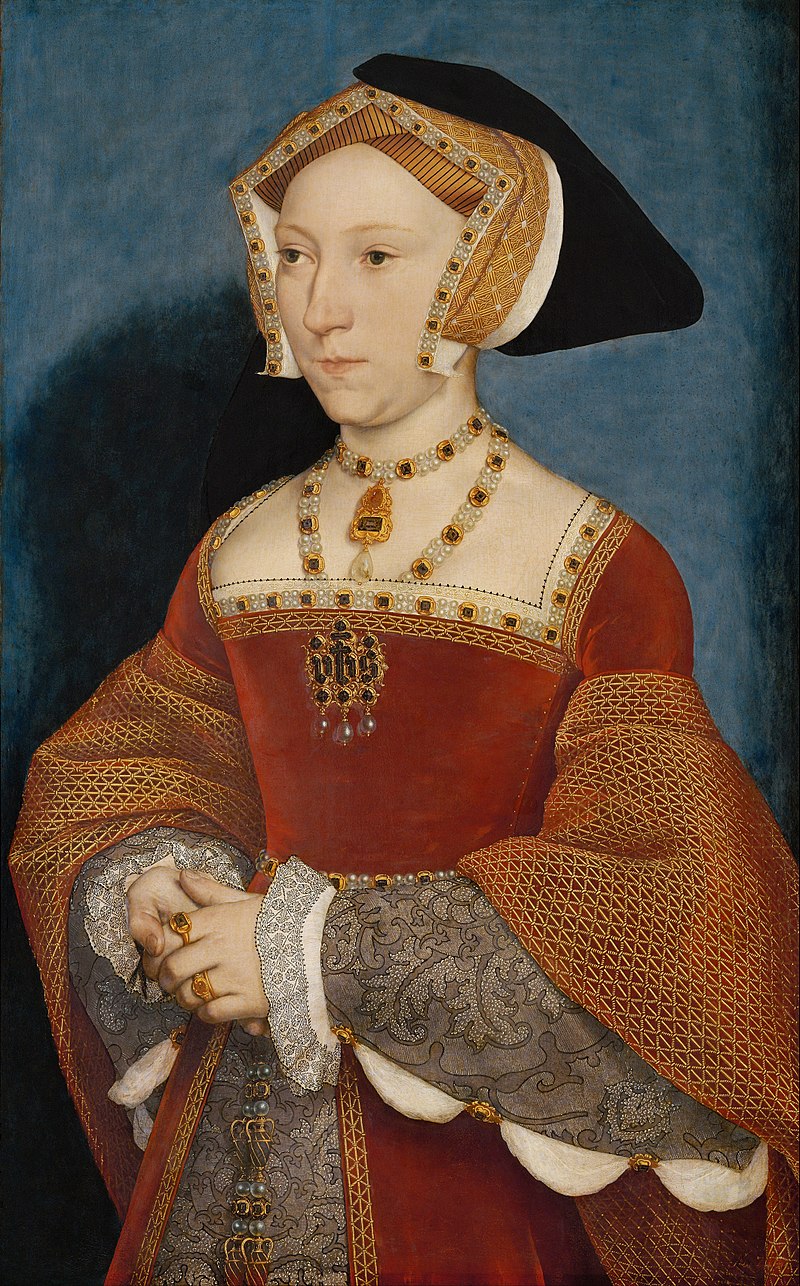
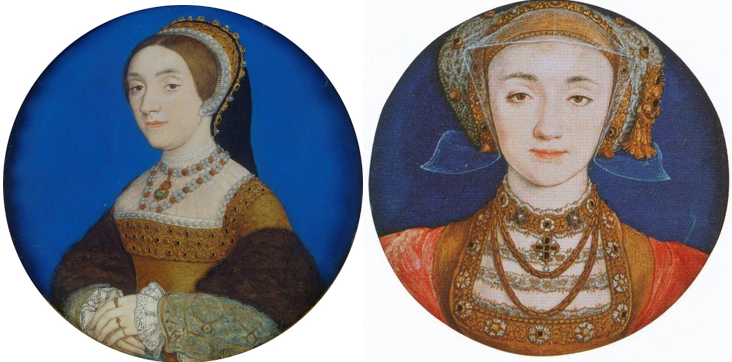
Follwoing Anne's dramatic downfall, Katherine marries Charles Brandon, and becomes Duchess of Suffolk at the age of fourteen. After the short reign of young Catherine Howard, and the tragic death of Jane Seymour, Katherine and Brandon are chosen to welcome Anna of Cleves as she arrives in England.
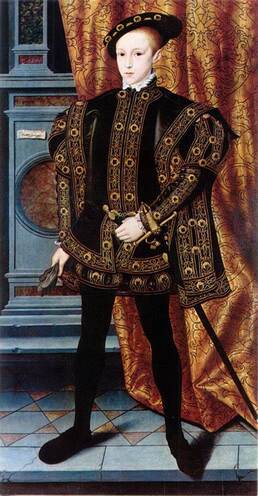
When the royal marriage is annulled, Katherine's good friend, Catherine Parr becomes the king's sixth wife, and they work to promote religious reform. Katherine's young sons are tutored with the future king, Prince Edward, but when Edward dies his Catholic sister Mary is crowned queen. Katherine's Protestant faith puts her family in great danger - from which there seems no escape.
Katherine's remarkable true story continues the epic tale of the rise of the Tudors, which began with the best-selling Tudor trilogy and concludes with the reign of Queen Elizabeth I.
This novel spans a remarkable length of time, beginning with Katherine joining the Brandon household as Charles's ward when she's a young teenager, and ending several decades later when Mary I has taken the throne of England. In that time, Henry VIII has exhausted all six of his wives, his reign has passed into the hands of Edward VI (who's also died), and the country has been through more political and religious turmoil than one can ever expect to face in a lifetime. Katherine's story is one of resilience, bravery, and wit. She's a formidable woman, although we meet her in her youth, and she grows to be a very impressive Tudor figure in her own right.
I will admit - her relationship with Charles Brandon is not one of my favorites from the period. Katherine (age fourteen) married the duke when he was nearly fifty years old, and that just doesn't resonate with me - though I know it was absolutely normal for the time. Still, it's difficult for me to get wrapped up in a 'love' story centered around these two, though there's absolutely nothing wrong with the way the relationship was written by Riches.
Overall, this concludes the Brandon Trilogy really nicely. I enjoyed Katherine's story just as much as the previous two, and I can highly recommend the entire series to all readers of Tudor fiction! If you haven't already, purchase this novel at the link below and connect with Tony on one of his social media platforms!
Moving forward to Katherine's story, here's the back-cover blurb for this novel:
She stands up for what she believes in... but such courage has consequences.
Attractive, wealthy and influential, Katherine Willoughby is one of the most unusual ladies of the Tudor court. A favourite of King Henry VIII, Katherine knows all his six wives, his daughters Mary and Elizabeth, and his son Edward, as well as being related by marriage to Lady Jane Grey.
When her father dies, Katherine becomes the ward of Tudor knight, Sir Charles Brandon. Her Spanish mother, Maria de Salinas, is Queen Catherine of Aragon's lady in waiting, so it is a challenging time for them all when King Henry marries the enigmatic Anne Boleyn.
Follwoing Anne's dramatic downfall, Katherine marries Charles Brandon, and becomes Duchess of Suffolk at the age of fourteen. After the short reign of young Catherine Howard, and the tragic death of Jane Seymour, Katherine and Brandon are chosen to welcome Anna of Cleves as she arrives in England.
When the royal marriage is annulled, Katherine's good friend, Catherine Parr becomes the king's sixth wife, and they work to promote religious reform. Katherine's young sons are tutored with the future king, Prince Edward, but when Edward dies his Catholic sister Mary is crowned queen. Katherine's Protestant faith puts her family in great danger - from which there seems no escape.
Katherine's remarkable true story continues the epic tale of the rise of the Tudors, which began with the best-selling Tudor trilogy and concludes with the reign of Queen Elizabeth I.
This novel spans a remarkable length of time, beginning with Katherine joining the Brandon household as Charles's ward when she's a young teenager, and ending several decades later when Mary I has taken the throne of England. In that time, Henry VIII has exhausted all six of his wives, his reign has passed into the hands of Edward VI (who's also died), and the country has been through more political and religious turmoil than one can ever expect to face in a lifetime. Katherine's story is one of resilience, bravery, and wit. She's a formidable woman, although we meet her in her youth, and she grows to be a very impressive Tudor figure in her own right.
I will admit - her relationship with Charles Brandon is not one of my favorites from the period. Katherine (age fourteen) married the duke when he was nearly fifty years old, and that just doesn't resonate with me - though I know it was absolutely normal for the time. Still, it's difficult for me to get wrapped up in a 'love' story centered around these two, though there's absolutely nothing wrong with the way the relationship was written by Riches.
Overall, this concludes the Brandon Trilogy really nicely. I enjoyed Katherine's story just as much as the previous two, and I can highly recommend the entire series to all readers of Tudor fiction! If you haven't already, purchase this novel at the link below and connect with Tony on one of his social media platforms!
- Purchase the novel at Amazon HERE
- Connect with Tony on Twitter (@tonyriches) / Instagram (@tonyriches.author) / Facebook (Tony Riches Author)
Thank you so much to Amy Bruno at Historical Fiction Virtual Book Tours and Tony Riches for the opportunity to take part in this Brandon Trilogy Book Tour. It's been a pleasure!











 RSS Feed